Reception desks and counters are essential furniture for every business environment. It’s the cornerstone of a business’s first impression, blending aesthetics, functionality, and brand identity. In recent years, More and more people choose to have organic shapes and curved smooth liners in the reception area; traditional linear designs have given way to innovative shapes like C-shaped, curved, and round configurations, which redefine spatial dynamics and user experience. Here we have many modern models of these three design styles in detail, highlighting their unique advantages, material considerations, and ideal applications. If you are looking for a customized reception counter or front desk, please feel free to contact us.


Original price was: $4,500.00.$4,200.00Current price is: $4,200.00.
7% Off




Original price was: $3,500.00.$3,200.00Current price is: $3,200.00.
9% Off


Original price was: $3,200.00.$3,000.00Current price is: $3,000.00.
6% Off


Original price was: $2,200.00.$2,000.00Current price is: $2,000.00.
9% Off


Original price was: $5,800.00.$4,999.00Current price is: $4,999.00.
14% Off


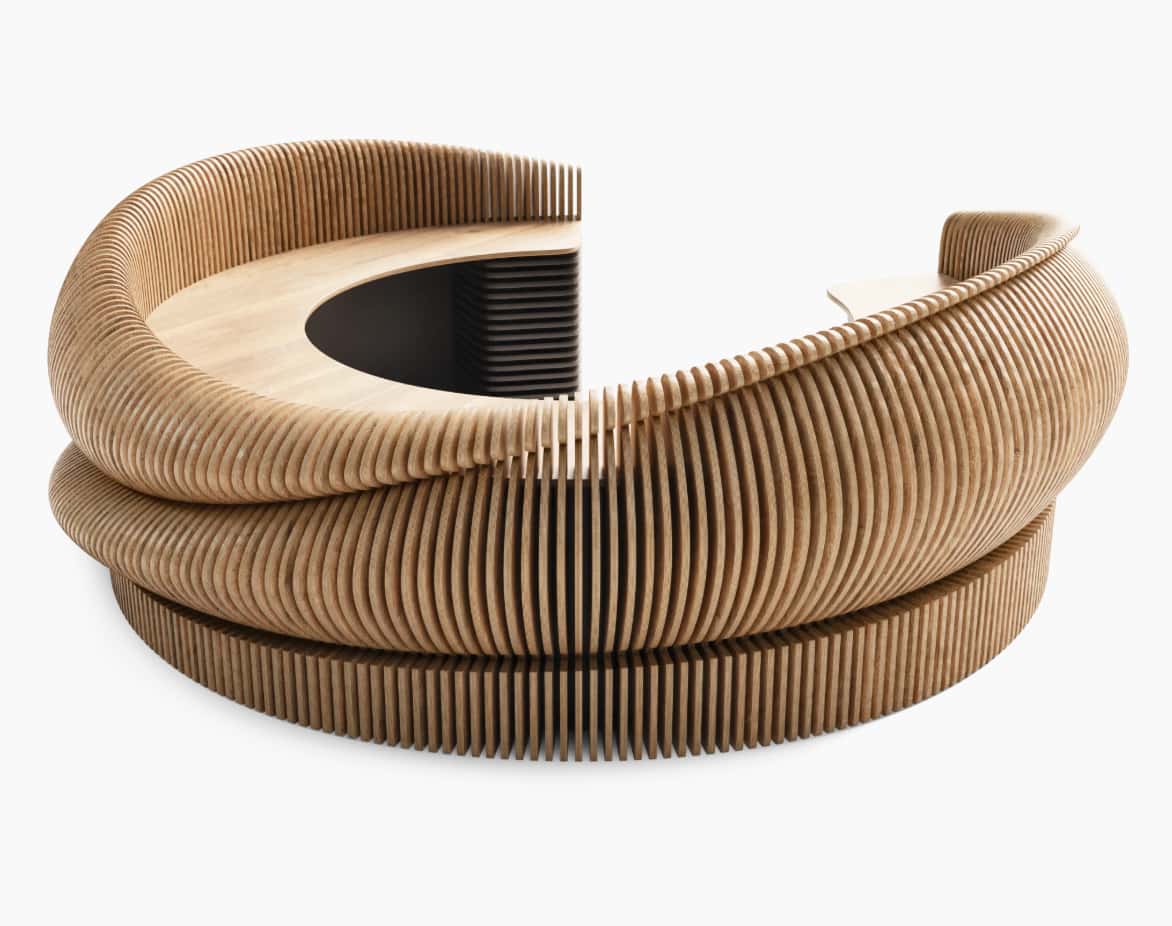
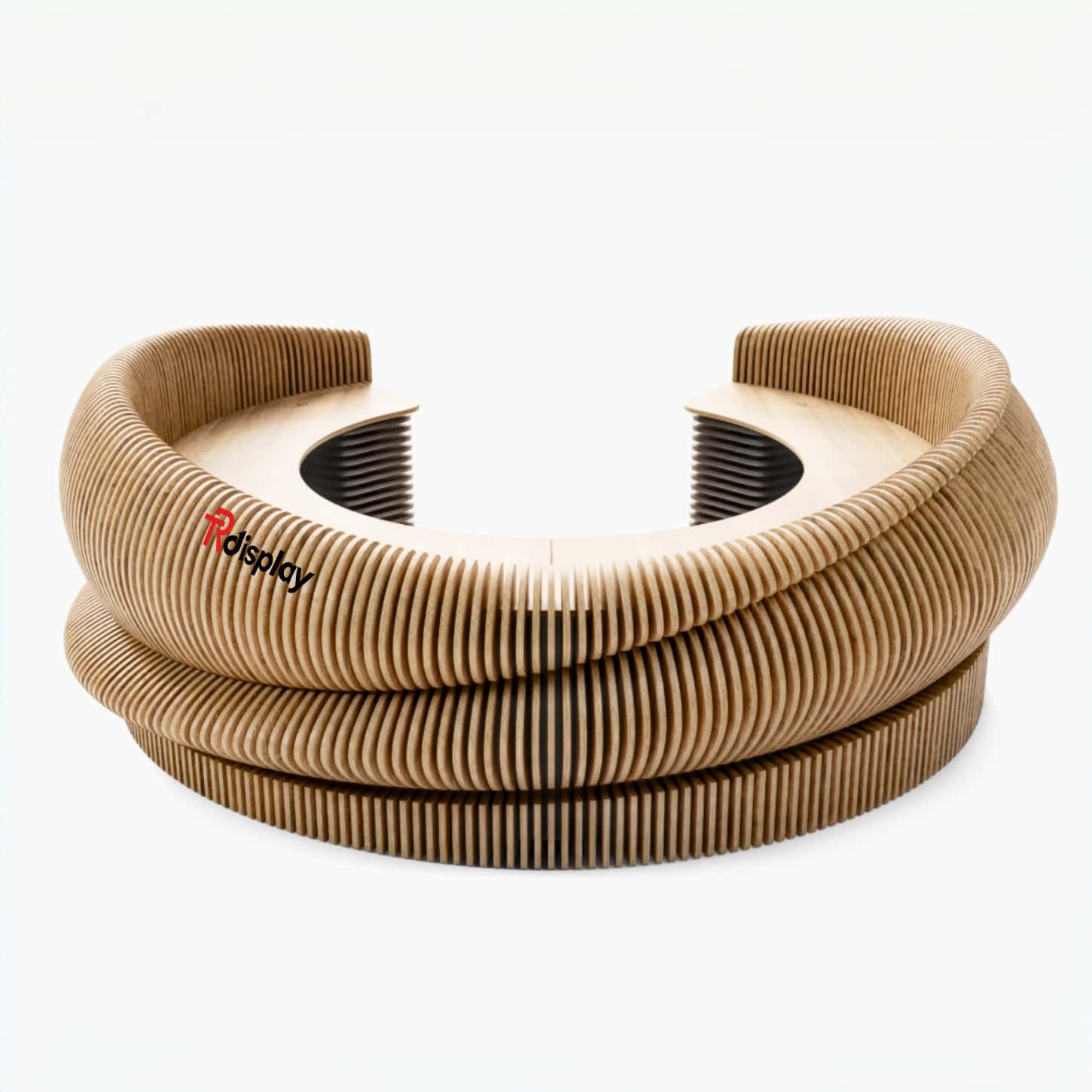


C-Shaped Reception Desks: Structured Versatility for Modern Spaces
The C-shaped reception desk, characterized by its U-like or semi-circular layout, combines the practicality of a traditional desk with the spatial efficiency of a curved design. This configuration typically features a central workstation flanked by two curved or angled wings, creating a partial enclosure that opens toward visitors. Unlike linear desks, the C-shape balances structure and accessibility, making it a popular choice for environments that require both professionalism and a welcoming atmosphere. Its design is adaptable, often incorporating built-in storage, technology integration, and ergonomic features tailored to high-traffic settings.
One of the standout advantages of the C-shaped desk is its ability to optimize space. By defining distinct zones without physical barriers, it streamlines workflow for staff while maintaining an open feel. The central workstation serves as the primary interaction hub, while the wings can house secondary functions like document storage, computer terminals, or seating for additional personnel. This layout minimizes clutter and ensures efficient use of floor space, making it ideal for medium to large lobbies. Additionally, the open front allows visitors to approach from multiple angles, reducing congestion during peak hours and fostering a more organized environment. Staff benefit from easy access to tools and resources stored within the wings, enhancing productivity without compromising aesthetics.
Beyond functionality, the C-shaped desk excels in aesthetic flexibility. The curved edges soften its appearance, creating a more inviting atmosphere compared to rigid, angular designs. This balance of professionalism and approachability aligns well with corporate offices, healthcare facilities, and hospitality venues. The wings also provide ample surface area for branding elements, such as engraved logos, digital displays, or decorative panels, reinforcing corporate identity. Material choices further enhance its appeal—options range from sleek laminates and wood veneers for a minimalist look to durable quartz or metal finishes for high-traffic areas. Customization features like LED lighting, modular components, and adjustable heights allow businesses to tailor the desk to their specific needs, ensuring it complements both the interior design and operational requirements.
C-shaped desks are particularly suited to environments where workflow efficiency and brand representation are priorities. Corporate offices leverage their structured layout for multitasking receptionists, while hospitals use them to discreetly manage patient check-ins and records. In hotel lobbies, the design’s elegance and functionality create a seamless guest experience. By blending form and function, the C-shaped desk remains a timeless choice for businesses seeking a versatile, professional, and space-conscious solution.
Curved Reception Desks: Fluid Design Meets Ergonomic Innovation
Curved reception desks redefine modern interiors with their smooth, flowing lines and absence of sharp angles. These designs often feature a single continuous arc or wave-like form, creating a visually dynamic focal point. Unlike C-shaped desks, which prioritize compartmentalized workspaces, curved counters emphasize organic movement and spatial harmony. Their aesthetic appeal lies in their ability to soften rigid architectural elements, making them ideal for contemporary, minimalist, or nature-inspired settings.
The ergonomic benefits of curved desks are significant. The smooth contours eliminate harsh corners, reducing the risk of bumps and injuries in busy environments. This design also promotes natural foot traffic flow, guiding visitors intuitively toward the reception area. For staff, the curved layout minimizes physical strain by allowing easier reach across the workspace. Acoustic advantages further enhance their practicality—curved surfaces diffuse sound waves, lowering noise levels in open-plan offices or bustling lobbies. This makes them a strategic choice for co-working spaces, libraries, or wellness centers where tranquility is key.
Material selection plays a crucial role in achieving the desired aesthetic and durability. Thermoformed acrylics and veneer-covered MDF are popular for creating seamless curves, while luxury materials like marble or backlit glass elevate high-end spaces. Customization options abound, from integrated cable management systems to tabletops with wireless charging stations. For example, a curved desk in a tech startup might incorporate hidden USB ports and LED accents, while a spa reception could feature natural wood finishes and built-in planters. The adaptability of curved designs extends to unconventional layouts, allowing them to wrap around columns or align with architectural curves, maximizing space efficiency in uniquely shaped rooms.
Curved desks are a natural fit for industries prioritizing innovation and sensory appeal. Creative agencies use their fluid forms to reflect artistic values, while luxury retailers leverage their elegance to enhance customer impressions. In healthcare or wellness settings, the calming effect of curved edges aligns with a soothing ambiance. By merging aesthetic sophistication with functional ingenuity, curved reception desks offer a compelling solution for businesses aiming to make a bold yet practical statement.
Round Reception Desks: Inclusive Design for Collaborative Environments
Round reception desks, with their circular or oval shapes, challenge traditional front-desk conventions by offering 360-degree accessibility. These designs eliminate hierarchical “front” and “back” distinctions, fostering inclusivity and equal interaction. Positioned centrally in a lobby, a round desk becomes a natural gathering point, encouraging collaboration between staff and visitors. Its open layout is particularly effective in dynamic, high-traffic environments where seamless communication is essential.
The primary advantage of a round desk lies in its ability to manage crowd flow efficiently. Without corners to create bottlenecks, visitors can approach from any direction, preventing congestion in busy areas like airports, event venues, or retail showrooms. Staff benefit from unobstructed sightlines, enabling them to assist multiple people simultaneously. This design also promotes egalitarianism, ideal for co-working spaces or startups that emphasize flat organizational structures. The circular shape subtly communicates openness and approachability, aligning with brands that prioritize community and accessibility.
Round desks also excel in branding and technology integration. Their central placement makes them ideal for showcasing logos, digital displays, or artistic installations. Overhead lighting or suspended signage can draw attention to the desk, transforming it into a visual anchor. Technologically, the core of a round desk often houses wiring, power outlets, and servers, keeping cords hidden while maintaining easy access. Custom features like rotating sections or height-adjustable modules add versatility, catering to diverse user needs. Materials such as solid wood, resin, or stone ensure durability, while glass or metallic finishes introduce a modern edge.
Applications for round desks span industries that value interaction and adaptability. Museums and galleries use them to create welcoming information hubs, while airports leverage their efficiency for quick passenger assistance. In retail, a round counter encourages customers to explore products from all angles. By prioritizing inclusivity and adaptability, round reception desks redefine traditional spatial dynamics, offering a fresh perspective on functionality and design.