FRP Barrier Planter
Specifications (mm): Φ500*H400
Crafted with precision, our Fiber Reinforced Plastic (FRP) barrier planters feature a deep groove design at the base for enhanced stability when mounted directly onto railings. This effectively prevents safety hazards caused by wind or accidental contact, eliminating the risk of pots falling from heights. Manufactured using premium composite materials including resin, fiberglass, and imported gel coat, these planters offer exceptional qualities:
-
Easy cleaning and maintenance
-
High moldability and structural strength
-
Corrosion and aging resistance
-
Aesthetic durability and extended lifespan
Customizable in style and available in multiple color options for versatile pairing, they provide excellent value for money. Surface screen printing for advertising is available per client requirements.
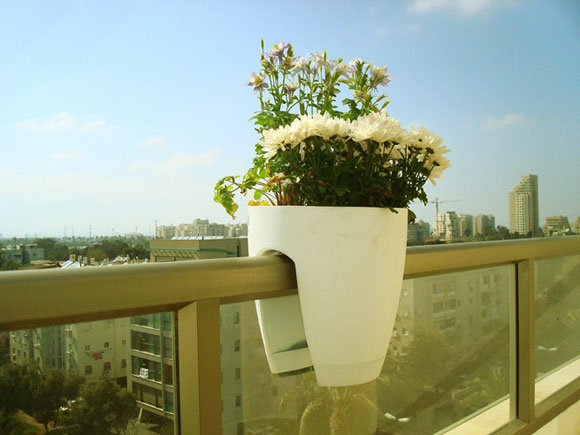
Applications:
Ideal for scenic areas, hotels, villas, cafes, florists, nightclubs, schools, streets, garden communities, and institutional barrier greening projects.
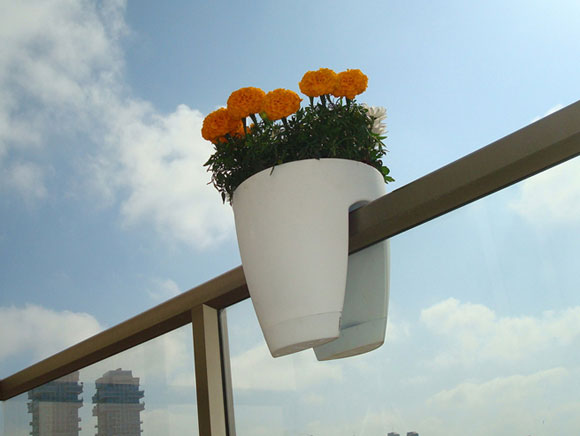
Premium Interior Finish:
For high-end residential applications, we use automotive-grade or premium PU paint featuring:
-
Anti-oxidation and anti-yellowing properties
-
Scratch and fade resistance
-
15-year paint warranty
Fangzhen barrier planters are exported worldwide and highly praised by customers.
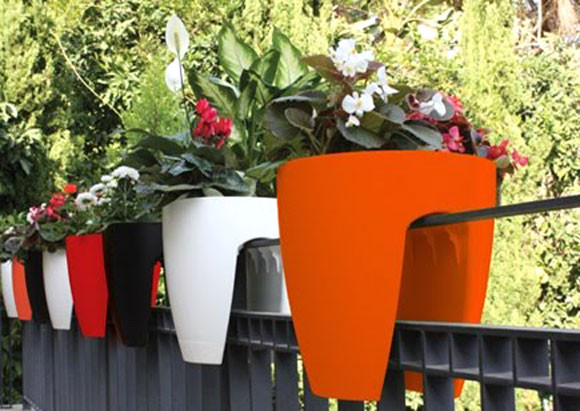
Scientific Design & Eco-Friendly Materials:
Equipped with drainage holes at the base to facilitate direct absorption of water and nutrients by plant roots, significantly improving plant survival rates. These planters represent the ideal choice for upscale barrier greening and landscape decoration.
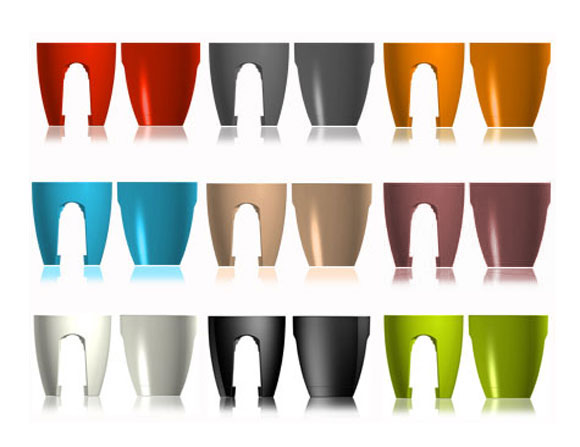
Key Selection Guidelines:
-
Diameter Matching: The planter’s rim diameter should generally match the plant’s crown spread.
-
Soil-Bound Plants: Leave 2-4 cm clearance around the root ball for adding fresh soil after placement.
-
Bare-Root Plants: Ensure roots extend naturally without bending. Trim excessively long primary or fibrous roots before potting.
Retail Display
Exploring More Interesting Ideas