
Introduction
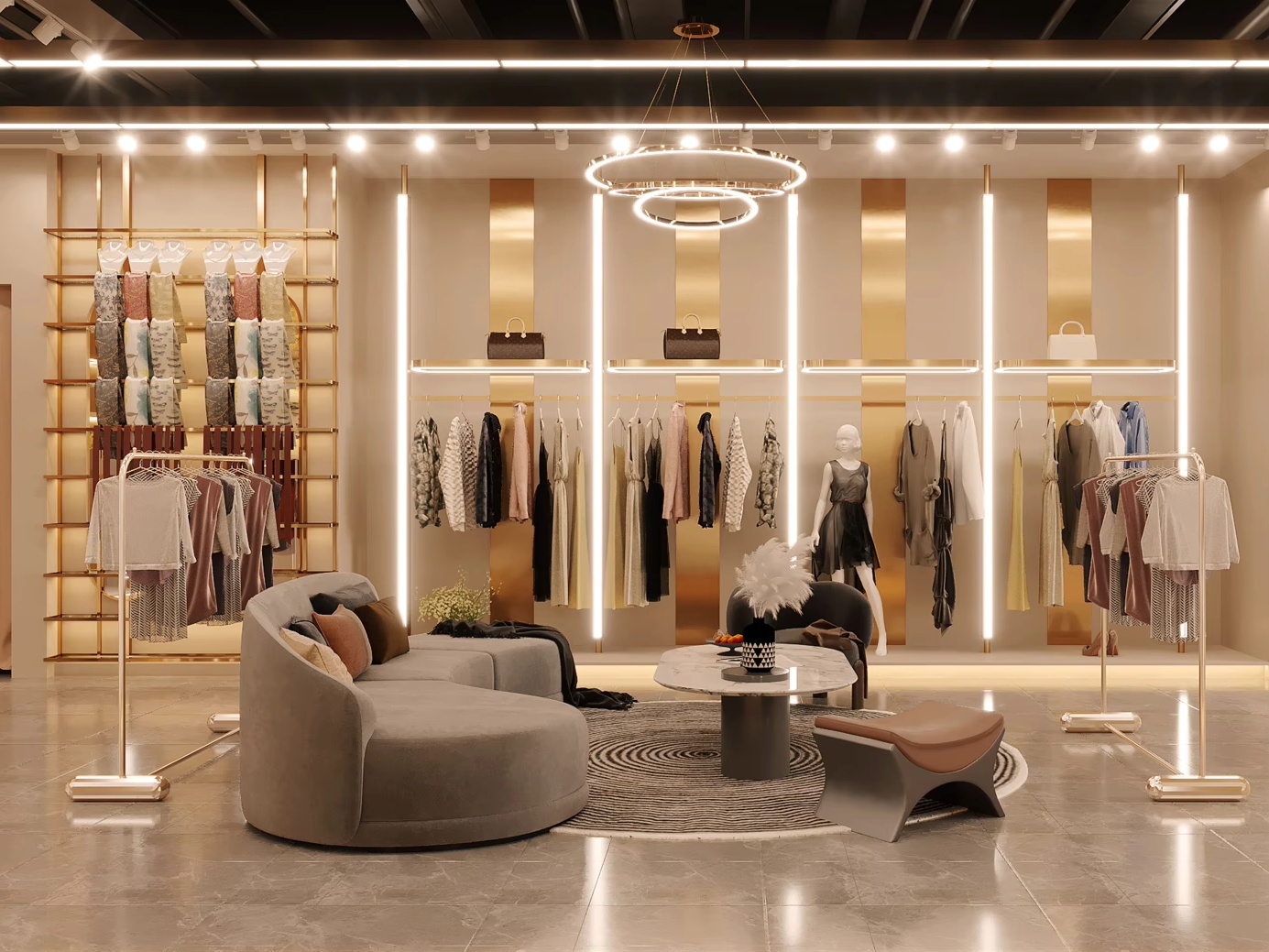
Womenswear store displays directly affect how customers shop and how much they buy. The height of hanging rods, the depth of folding shelves, the placement of accessories, and the layout near checkout all make a difference. Many store owners arrange their displays based on instinct rather than planning. As a result, clothes get crowded together, customers struggle to browse, and the space near the register sits empty and unused. This article offers five practical tips for womenswear store displays. Use these suggestions, and your store will feel more organized, easier to shop, and better at turning visitors into buyers.
Tip 1: Set Hanging Rod Height Based on Garment Length
Womenswear comes in many lengths. A cropped top and a maxi dress can differ by nearly a meter. If the hanging rod is too low, long dresses drag on the floor. If it is too high, short tops leave empty space underneath. Both situations look unprofessional and waste valuable display area.
For long dresses and coats, set the rod at a minimum height of 160 cm. For tops and shorter items, 140 cm works well. This difference may seem small, but it keeps garments off the floor while maximizing the use of vertical space.
Horizontal spacing matters too. Leave 15 to 20 cm between each hanging item. This gap allows customers to flip through pieces one by one. Without enough room, clothes press together and become hard to see. Customers give up and move on. With proper spacing, they browse longer and find more items they like.
Tip 2: Use Adjustable Shelves for Folded Items
Folded clothing takes up flat space. Shelf depth determines how many items you can stack. Shelves that are too deep create a problem: customers cannot see the items in the back row. Shelves that are too shallow do not hold enough stock.
A depth of 40 to 45 cm works best for most womenswear store displays. This size fits standard folded garments and keeps everything visible. Even more important than depth is adjustability. T-shirts stack thin, while sweaters stack thick. Fixed shelves force you to fold everything the same way, which rarely works for mixed merchandise.
Adjustable shelves give you flexibility. You can raise or lower them depending on the season or the type of clothing you are featuring. This simple feature makes your display adaptable without requiring new furniture.
Tip 3: Place Accessories Where Customers Naturally Stop
Necklaces, earrings, scarves, and belts — accessories are small but numerous. When placed correctly, they trigger impulse purchases. When placed poorly, they sit untouched and collect dust.
The best location for accessories is near the checkout counter or in gaps between hanging sections. Customers naturally pause in these areas. While waiting to pay or moving between clothing racks, they have a moment to browse smaller items. This is the perfect time to catch their attention.
Hooks work better than flat shelves for accessories. They save space and make items more visible. Customers can see multiple pieces at once and grab what catches their eye. Keep accessories tidy and well-stocked, and you will see them move faster.
Tip 4: Use the Checkout Area for Coordinated Looks
The checkout counter is the last place customers stop before leaving. Their eyes are free, and their hands are empty while they wait to pay. This moment is a prime opportunity for additional sales.
Place one or two mannequins or a small hanging display near the register. Show complete outfits — a dress paired with shoes, or a top matched with a necklace. Customers see the full look and often decide to add an extra piece.
Keep this display simple and focused. Do not overcrowd it with too many items. One or two strong combinations work better than a cluttered rack. The goal is to suggest a final addition, not to distract from the purchase they are already making.
Tip 5: Arrange the Four Zones in a Logical Order
The sequence of your display zones guides customer traffic. A well-planned order keeps customers moving smoothly from one area to the next. A poor order creates confusion and dead ends.
Start with the hanging section. This area displays your main collection and sets the tone for the store. Next, move to the folding area. Here, customers find a wider selection and can take their time browsing. After that, place accessories. These smaller items encourage impulse purchases as customers pass through. Finally, position the checkout area at the end. Include a coordinated look nearby to encourage one last add-on.
This sequence works because it follows a natural shopping rhythm. Customers see featured items first, explore more options, encounter small impulse items, and finish at the register. When the flow feels right, customers stay longer and buy more.
Quick Checklist
- Hanging rods are set at the correct height for each garment type
- At least 15 cm of space exists between hanging items
- Folding shelves are 40 to 45 cm deep and adjustable
- Accessories are displayed on hooks near checkout or between hanging sections
- Checkout area features one or two coordinated outfit displays
- Display zones follow a logical order: hanging → folding → accessories → checkout
Final Thoughts
A well-organized womenswear store display does more than look tidy. It guides customers through the space efficiently, encourages browsing, and increases the chance of additional purchases. Pay attention to hanging height, folding depth, accessory placement, checkout-area styling, and zone order. These five areas make a real difference in how customers experience your store.
When these elements work together, shopping feels natural and effortless. Customers find what they need, discover items they did not plan to buy, and leave satisfied. That is the goal of good display planning.
We design and manufacture custom displays for womenswear stores of all sizes. Our team can help you plan a layout that fits your space and your merchandise. Share your store details with us, and we will create a display solution that works.
Contact us
about Retail Display

Rtdisplay is a leading Retail Shop Designer and Store Fixtures Manufacturer, over the past 17 years, we focused on providing the most unique and functional displays and retail shopfitting for all retail spaces...