
Introduction
Candy stores have a unique challenge: children are the primary shoppers, but parents pay the bills. Any successful display must serve both groups while also making life easier for staff. Many store owners set up their candy displays at adult eye level. As a result, young children cannot see a thing. Others overlook safety, creating environments where parents feel anxious the moment they walk in. Sticky fingers leave marks everywhere, and cleaning becomes a daily battle. This article covers five practical design tips for kid‑friendly candy displays. These tips help you create a space where children enjoy themselves, parents feel at ease, and staff can keep everything clean without extra effort.
1. Height — Let Children See and Reach
Standard counter height is around 90 to 100 cm. At this level, most young children cannot see what sits on top. Lower the display height to include children. Reserve the bottom 60 to 80 cm for products aimed at younger shoppers. Add low shelves or short cabinets at this level so children can view and reach items independently.
For the best results, place popular candies within easy reach. When children can grab products themselves, they engage with the store more actively. In addition, this setup frees parents from constantly lifting their children to see the merchandise. Consequently, both groups enjoy a more relaxed shopping experience.
2. Safety — Rounded Edges, Stable Fixtures, and Non‑Toxic Materials
Children touch everything. They run around, grab fixtures, and occasionally bump into furniture. Therefore, safety should never be an afterthought. Round off all sharp corners or add protective edge guards. This simple step reduces the risk of injury significantly.
Stability matters just as much. Secure all displays firmly to the floor or wall. A child pulling on an unstable shelf can bring it down. Use non‑toxic, food‑safe finishes on all surfaces. Young children may put their hands in their mouths after touching products, so materials must be harmless.
Glass panels also require special attention. Use tempered or laminated glass. If broken, these types do not shatter into dangerous shards. For these reasons, prioritize safety in every design decision.
3. Interaction — Make It Fun for Children
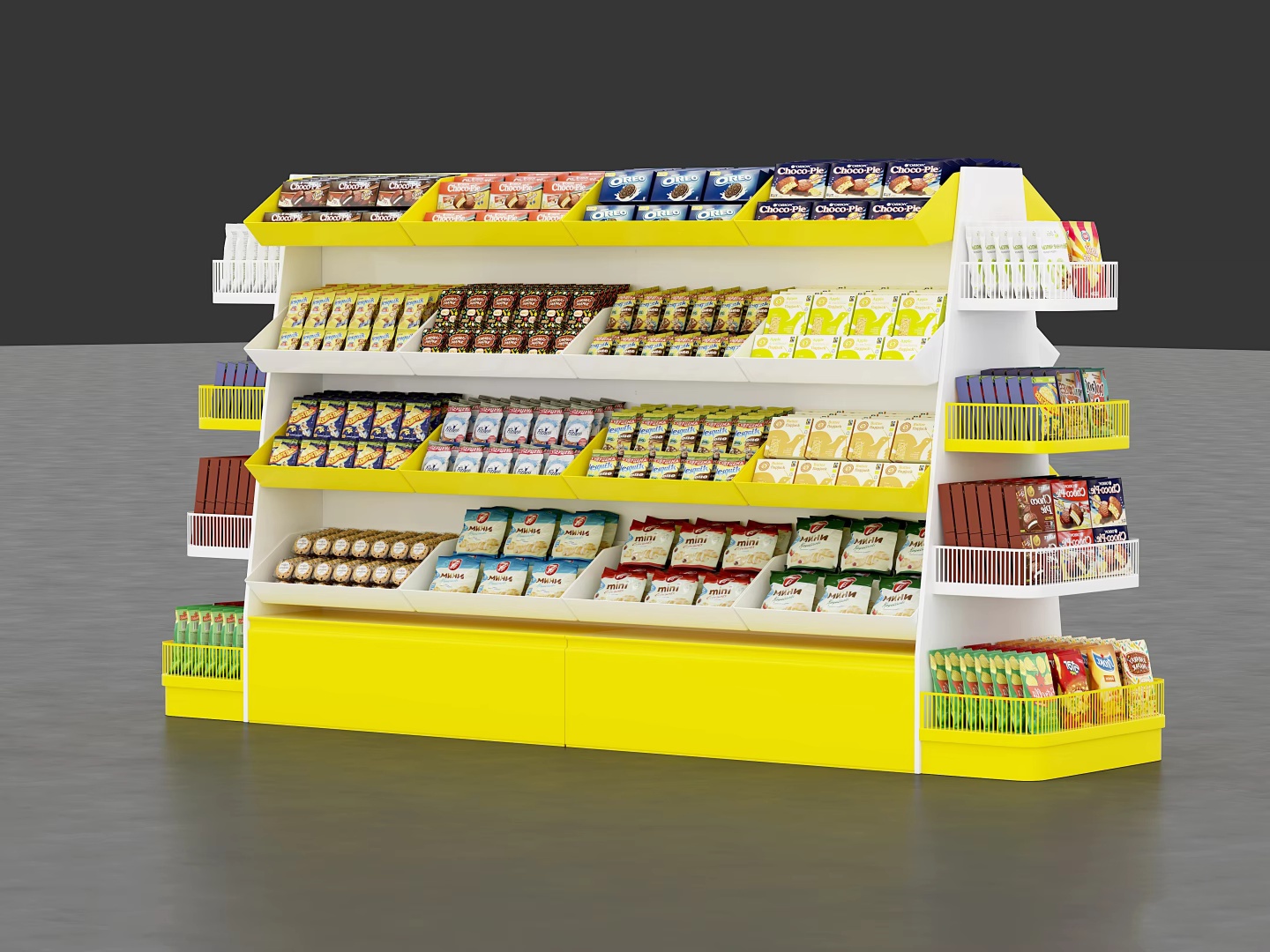
Children love hands‑on experiences. Displays that let them touch, pick, and choose their own sweets outperform those that keep products behind closed doors. Low, open bins work well. They allow young shoppers to see the variety and select their favorites themselves. This sense of independence makes the visit more enjoyable.
Clear glass panels on multiple sides also help. Children can view the candy from various angles without needing to stand directly in front. Consider adding slight height variations within the display. A tiered layout creates a sense of discovery, as if children are exploring a treasure chest of treats. When children enjoy themselves, they want to stay longer. Longer visits often lead to more purchases.
4. Parent Visibility — Open Layouts Reduce Anxiety
Parents naturally worry about their children in busy retail environments. They want to keep an eye on them at all times. A well‑designed candy display helps parents do this without stress.
Keep the layout open. Avoid tall fixtures that block sightlines across the store. Position the checkout counter in a central location where parents can supervise while waiting in line. In addition, create wide aisles. Children may run or wander, and wider passages reduce the chance of collisions with fixtures or other customers.
Avoid placing fragile or sharp decorative items at the edges of displays. Parents are more relaxed when they know their children cannot easily knock something over or hurt themselves. When parents feel at ease, they let their children explore longer, which often translates into higher sales.
5. Cleaning — Easy Maintenance for Busy Staff
Children create messes. Sticky fingers touch glass, spills happen, and dust collects quickly on open displays. For this reason, choose materials that resist stains and clean easily. Stainless steel and solid surfaces like Corian are far easier to maintain than wood or porous materials.
Glass showcases require frequent wiping. Opt for glass that resists fingerprints. This simple choice can cut daily cleaning time in half. In addition, select shelves and trays that are removable for deep cleaning. Minimize corners and crevices where dirt can accumulate. A smooth, seamless design makes closing‑time cleaning much faster and ensures the store opens fresh the next day.
Summary
Designing kid‑friendly candy displays involves more than just choosing colorful shelves. It requires thinking about the needs of three different groups: children, parents, and staff. Set the right height so children can see and reach. Build in safety features to protect young shoppers. Add interactive elements to make the experience enjoyable. Keep sightlines open for parental supervision. Choose materials that simplify cleaning. Address all five areas, and you will create a candy store that feels welcoming, safe, and easy to operate.
Final Thoughts
Candy stores succeed when both children and parents are happy. The display design plays a central role in that success. When children can see and touch the products, they feel more connected to the store. When parents can keep an eye on them, they feel less stressed and shop longer. When staff can clean quickly, the store always looks its best.
These five tips are practical, simple, and adaptable to most candy store layouts. Start with the height, add safety, build in interaction, maintain open sightlines, and pick easy‑to‑clean materials. This approach works across all store sizes and product ranges.
We design and build custom candy displays for stores of all kinds. Our team can help you create a layout that balances child appeal, parent comfort, and staff convenience. Share your store layout with us, and we will recommend a display solution that fits.