Starting a jewelry business in Nigeria is an exciting venture, blending creativity with entrepreneurship. However, understanding the associated costs is critical to building a sustainable and profitable enterprise. This article explores the financial requirements for launching a jewelry business in Nigeria, breaking down expenses across key categories such as registration, materials, production, branding, and sales channels. By synthesizing insights from global best practices and adapting them to the Nigerian context, we provide a detailed roadmap for aspiring entrepreneurs.
1. Business Registration and Legal Fees
Before crafting your first piece, formalizing your business is essential. In Nigeria, registering your business with the Corporate Affairs Commission (CAC) costs between ₦20,000 and ₦50,000, depending on the business structure (sole proprietorship, partnership, or limited liability company) 46. Additional expenses include:
- Licenses and permits: Local government trade licenses (₦10,000–₦30,000 annually).
- Tax registration: Filing with the Federal Inland Revenue Service (FIRS) for a Tax Identification Number (TIN) (₦5,000–₦10,000).
- Insurance: Basic liability insurance to protect against theft or damage (₦50,000–₦100,000 annually).
Entrepreneurs should also budget for legal consultations to ensure compliance with regulations, which may add ₦30,000–₦100,000 in initial costs.
2. Materials and Tools
The type of jewelry you produce significantly impacts material costs. Below are the common categories and their estimated expenses:
A. Fashion/Costume Jewelry
Ideal for beginners, this category uses affordable materials like beads, brass, plated metals, and synthetic gems.
- Beads and wires: Locally sourced beads (₦500–₦2,000 per pack) and wires (₦1,000–₦5,000 per roll).
- Tools: Pliers, cutters, and crimping tools (₦10,000–₦30,000 for a starter kit).
- Packaging: Basic gift boxes and tags (₦5,000–₦15,000 for bulk orders).
Total estimated cost: ₦50,000–₦150,000.
B. Fine Jewelry
This high-end category requires precious metals (gold, silver) and gemstones, which are often imported.
- Gold and silver: Current market prices fluctuate, but 1kg of silver costs ~₦450,000, while gold is significantly more expensive.
- Gemstones: Nigerian-sourced gemstones (e.g., tourmaline, sapphire) cost ₦10,000–₦500,000 depending on quality.
- Specialized tools: Soldering kits, gemstone setters, and 3D printers (₦500,000–₦2,000,000) .
Total estimated cost: ₦1,000,000–₦5,000,000+.
C. 3D-Printed Jewelry
A modern approach leveraging technology for intricate designs.
- 3D modeling software: Free options like Blender or paid software (₦50,000–₦200,000 annually).
- Printing materials: Resin or nylon filaments (₦30,000–₦100,000 per kilogram).
- Outsourced production: Using local 3D printing services (₦5,000–₦20,000 per piece).
Total estimated cost: ₦200,000–₦500,000.
3, Jewelry Store Fixture Cost
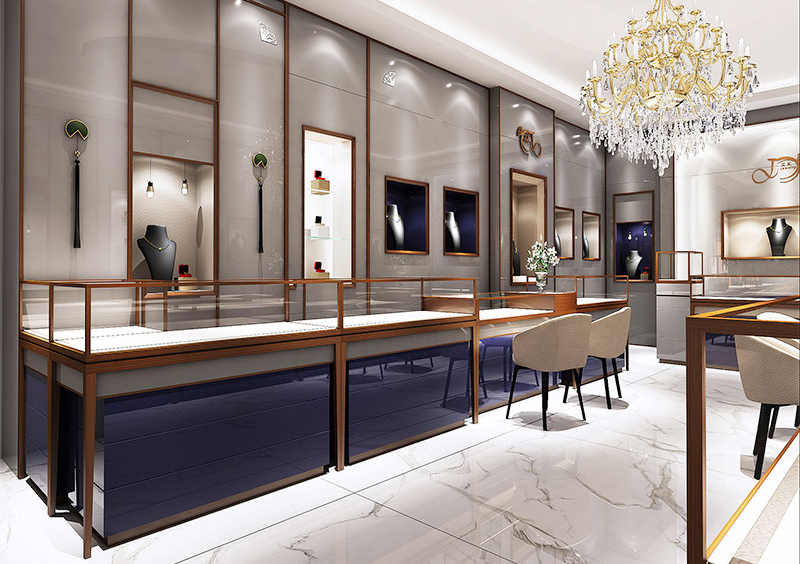
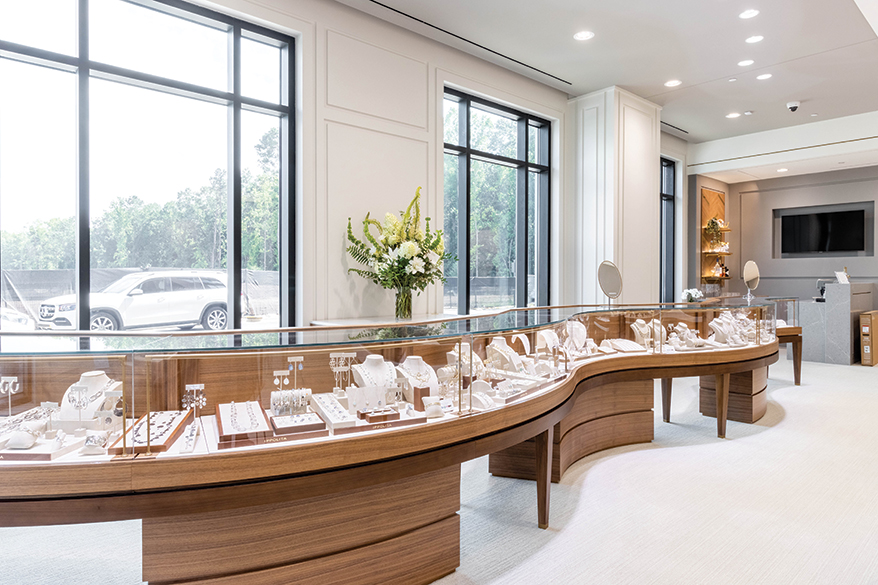
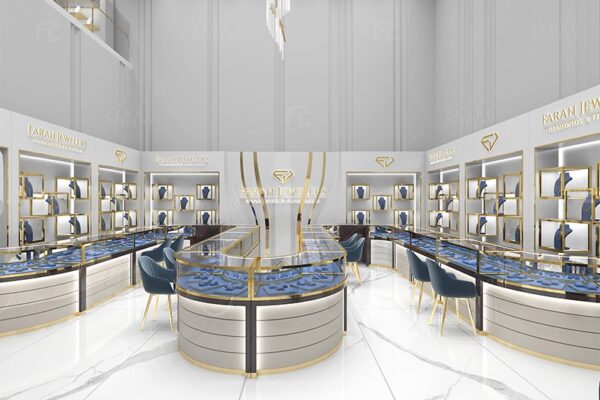
The cost of jewelry store fixtures in Nigeria varies significantly based on the scale, location, and quality of materials. For a basic setup, essentials like display cases, lighting, and security systems form the core investment. Locally sourced glass display cases or acrylic stands typically range from ₦50,000 to ₦150,000 per unit, depending on size and design. Lighting is critical for showcasing jewelry, with LED spotlights or pendant lights costing ₦20,000–₦100,000 for a small store. Basic security features, such as CCTV cameras and alarms, add another ₦100,000–₦500,000 to the budget. For entrepreneurs starting in markets or kiosks, modular or portable fixtures can reduce costs to ₦300,000–₦800,000, though these may lack the polish of permanent setups.
Mid-range stores targeting boutique or mall customers often prioritize aesthetics and durability. Custom-made wooden or metal display cabinets from local artisans or imported suppliers cost ₦200,000–₦600,000 each, while specialized jewelry trays, ring holders, and necklace busts add ₦50,000–₦200,000. High-quality lighting systems with adjustable brightness and color temperatures may escalate to ₦150,000–₦400,000. Additionally, advanced security systems, including biometric locks or reinforced glass counters, can push expenses to ₦700,000–₦1.5 million. Stores in upscale areas like Lagos’s Victoria Island or Abuja’s Maitama may also invest in branded signage or decorative elements, adding ₦200,000–₦500,000 to the total.
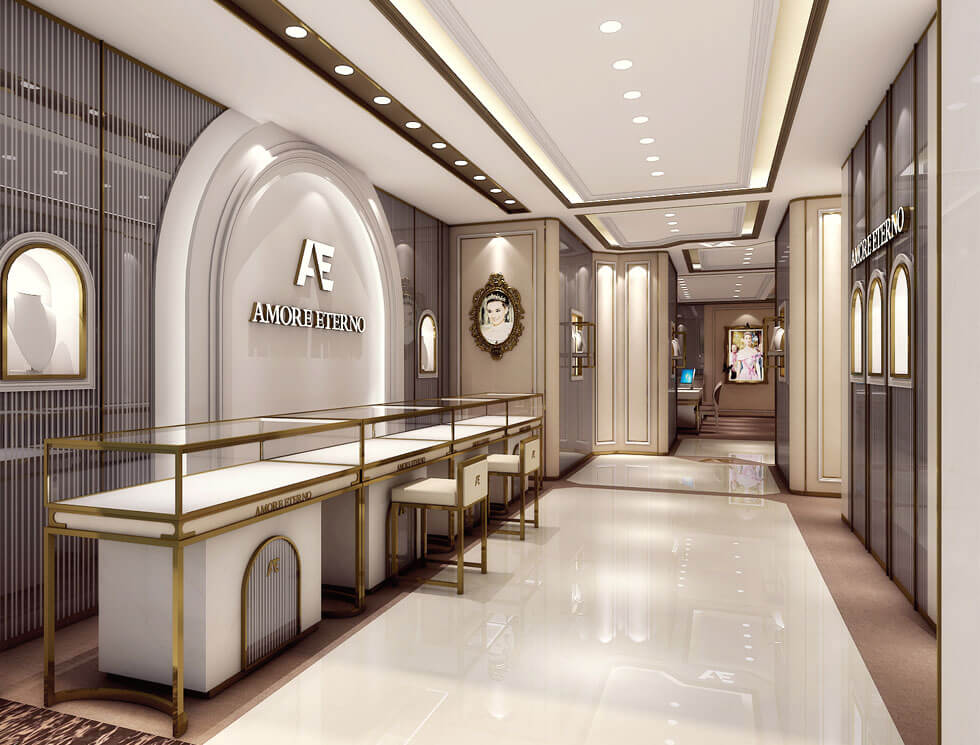
For luxury jewelry stores, fixtures become a strategic investment in brand image and customer experience. Imported Italian or Chinese display cases with anti-glare glass and automated lighting systems cost ₦500,000–₦2 million per unit. High-end security infrastructure, such as bulletproof glass, 24/7 surveillance, and RFID tagging systems, may exceed ₦2 million. Custom-designed interiors, including marble countertops or gold-plated accents, further elevate costs to ₦3 million–₦10 million, depending on the store’s size. While these expenses are steep, they align with the expectations of affluent clientele and enhance perceived value. Ultimately, entrepreneurs must balance functionality, aesthetics, and budget, often starting with modular fixtures and upgrading as the business grows.
4. Production Costs
The method you choose to produce your jewelry—whether handmade, outsourced, or drop-shipped—significantly impacts both the quality of your products and your overall budget. Handmade production emphasizes craftsmanship and customization but requires substantial investment in labor and workspace. Hiring local artisans costs between ₦20,000 and ₦100,000 monthly per worker, while renting a small workshop in urban hubs like Lagos or Abuja adds another ₦50,000 to ₦200,000 monthly. Though this approach ensures high-quality, unique pieces, it demands careful financial planning to balance artistry with profitability.
Outsourcing offers a middle ground, allowing businesses to scale production while managing costs. Partnering with local Nigerian workshops typically costs ₦1,000 to ₦5,000 per piece, making it ideal for mid-range jewelry lines. Alternatively, importing from international factories in countries like China or India reduces per-unit expenses but introduces additional costs such as shipping and customs duties, which can add 25–30% to the product’s value. While outsourcing streamlines efficiency, businesses must weigh these hidden fees against potential savings to maintain competitive pricing.
Dropshipping minimizes upfront investment by eliminating the need for inventory storage or direct production. Operating through platforms like Shopify incurs monthly fees of ₦10,000 to ₦30,000, while sourcing products from suppliers such as AliExpress costs between ₦500 and ₦2,000 per unit. This model reduces financial risk and logistical complexity, making it ideal for startups testing market demand. However, reliance on third-party suppliers may limit control over product quality and timelines, requiring entrepreneurs to prioritize supplier vetting to uphold brand standards.
5. Branding and Marketing
Building a recognizable brand is crucial in Nigeria’s competitive market.
A. Logo and Packaging
- Logo design: Hiring a freelancer (₦10,000–₦50,000) or using tools like Canva (free).
- Premium packaging: Custom boxes with branded ribbons (₦200–₦500 per unit).
B. Digital Presence
- Website development: Basic Shopify or WordPress site (₦50,000–₦200,000).
- Social media ads: Instagram and Facebook campaigns (₦20,000–₦100,000 monthly).
C. Influencer Marketing
Collaborating with Nigerian influencers:
- Micro-influencers: ₦10,000–₦50,000 per post.
- Celebrities: ₦500,000–₦2,000,000+ per promotion.
6. Sales Channels
Your choice of sales platforms directly influences your business’s visibility and operational expenses. Online stores offer flexibility and broad reach, making them a popular option for modern jewelry businesses. Leveraging established e-commerce platforms like Jumia or Konga involves monthly seller fees ranging from ₦5,000 to ₦20,000, while creating a custom website requires annual hosting and domain registration costs of ₦10,000 to ₦30,000. These digital channels cater to tech-savvy customers and enable nationwide sales without the overhead of physical infrastructure.
For entrepreneurs prioritizing in-person customer experiences, physical stores remain a viable avenue. Renting market stalls in bustling commercial hubs like Lagos’s Balogun Market or Abuja’s Wuse Market costs between ₦20,000 and ₦100,000 monthly, providing access to high foot traffic at a moderate price. On the premium end, securing boutique spaces in upscale areas such as Lagos or Port Harcourt demands a significant investment, with monthly rents soaring from ₦500,000 to ₦2,000,000. These brick-and-mortar locations appeal to luxury buyers but require careful budgeting for location and décor.
Pop-up events blend the immediacy of physical retail with temporary, high-impact exposure. Participating in fairs like Lagos Fashion Week involves booth fees of ₦50,000 to ₦200,000 per event, alongside display costs for inventory, which can range from ₦100,000 to ₦500,000. Though these events demand upfront spending, they offer unique opportunities to engage directly with trend-conscious audiences, test new designs, and build brand recognition through experiential marketing. Balancing these channels allows businesses to diversify revenue streams while aligning with their target market’s preferences.
7. Logistics and Shipping
Efficient delivery systems are vital for customer satisfaction.
- Local delivery: Partnerships with GIG Logistics or Max.ng (₦500–₦2,000 per package).
- International shipping: DHL or FedEx (₦10,000–₦50,000 per item).

8. Miscellaneous Costs
- Utilities: Electricity (generator fuel) and internet (₦30,000–₦100,000 monthly).
- Transportation: Fuel or delivery bikes (₦50,000–₦150,000 monthly).
Case Study: Starting a Mid-Range Jewelry Business
To illustrate, let’s assume you launch a fashion jewelry brand in Lagos:
- Registration: ₦50,000.
- Materials and tools: ₦150,000.
- Production (outsourced): ₦300,000 for 200 pieces.
- Branding: ₦100,000.
- Online store: ₦70,000.
- Marketing: ₦200,000.
- Miscellaneous: ₦100,000.
Total: ~₦970,000.
Conclusion
Starting a jewelry business in Nigeria can cost anywhere from ₦200,000 for a small dropshipping venture to ₦5,000,000+ for a luxury brand. Key factors include your niche, production methods, and sales strategy. By leveraging cost-effective tools like social media marketing, local artisans, and e-commerce platforms, entrepreneurs can minimize expenses while maximizing growth. Success hinges on meticulous planning, adaptability, and a deep understanding of Nigeria’s dynamic market.